Bedding · Protection and care
Protecting a Natural Latex Mattress: Cover Materials, Fit, and Care
A natural latex mattress is built to offer a particular combination of buoyant support, responsive comfort, and airflow. The right cover can help guard it against everyday wear without hiding those qualities beneath an unnecessary layer. Choosing well starts with a simple question: what does your household need protection from—and what do you want the mattress to feel like?
Published October 19, 2026
Protection is a balance, not a blanket
A mattress sits in a busy landscape. Night after night, it meets body heat, perspiration, skin oils, dust, and the friction of sheets. A spill or accident may add a more urgent challenge. A cover creates a first line of defense between those conditions and the mattress itself, making a sleep surface easier to keep clean and potentially helping limit everyday wear.
But protection is not one-size-fits-all. A thin, breathable cover may be enough in a home where spills are uncommon and preserving the mattress’s original feel is the priority. A waterproof protector may make more sense where liquid exposure is a realistic concern. Each extra layer changes the path between sleeper and mattress: fabric, padding, membranes, seams, and fit all influence how the bed feels and behaves.
Natural latex is valued for its resilient, springy response. A thick or heavily quilted cover can soften that response or make the surface feel more insulated. A tightly fitted, low-profile cover may be less noticeable, though no cover is entirely neutral. The aim is not to find a material that promises every benefit at once. It is to identify the protection you actually need, then choose the least intrusive construction that provides it.
It also helps to distinguish the mattress’s own casing from a separate mattress protector. Some latex mattresses have a removable outer cover around the latex layers. That casing is part of the mattress’s construction; a protector is an additional layer placed over it, usually beneath the fitted sheet. Before adding a cover, consult the mattress maker’s instructions. They may specify what can be removed, how it should be cleaned, and whether a particular type of protector is recommended.
Start with the kind of risk you need to manage
There are several different jobs a mattress cover might do, and a single product may not do all of them equally well. A breathable fabric cover can help shield against dust and routine contact, while a waterproof construction is designed to keep liquid from reaching the mattress. A padded mattress pad, meanwhile, is generally chosen to add cushioning as well as a measure of surface protection. Understanding the difference prevents a common mismatch: buying a plush comfort layer when the priority is liquid resistance, or choosing a waterproof barrier when what you really want is a softer surface.
- For everyday wear: Look for a low-profile cover that fits securely and can be washed according to its care label. Consider whether its fabric and construction feel comfortable under your usual sheets.
- For spills or moisture: Check that the product explicitly describes itself as waterproof or water-resistant. “Protective” alone does not tell you how it performs against liquid.
- For added softness: A quilted or filled mattress pad may change the surface more noticeably. Consider whether that extra cushioning is wanted, and whether it affects the fitted sheet’s grip.
- For dust and allergens: Review what the cover claims to block and how it closes around the mattress. A marketing phrase is not a substitute for construction details or a clearly stated use.
A household’s needs can change over time. A guest bed used occasionally may need a different approach from a child’s bed or a mattress in a home where spills are more likely. Think about who uses the bed, what kinds of accidents are plausible, and how often you are willing to launder the cover. The most useful protection is the kind you can maintain consistently.
Materials: what they can—and cannot—tell you
The fiber named on a label is only one part of a cover’s performance. Weave, thickness, quilting, backing, and finishing all matter. A cotton surface may feel different depending on whether it is jersey, percale, sateen, or a terry-style fabric. A protector may combine a soft top fabric with a thin moisture barrier underneath. Two products that both list cotton can therefore behave quite differently.
Cotton and other breathable fabrics
Cotton is commonly used in mattress covers because it is familiar, washable in many constructions, and available in a range of textures. A stretch-knit cotton cover can follow the contours of the mattress, while a woven fabric may feel smoother or more structured. Breathability is not determined by fiber alone: dense construction, added padding, and any waterproof layer can alter airflow and the way heat and moisture move through the cover.
Some covers use wool, silk, or synthetic fill to add loft or manage moisture. These materials can create a distinct feel, but a filled pad is not automatically a substitute for a waterproof protector. Check the stated function, washing instructions, and construction rather than inferring performance from the material name.
Waterproof layers
Waterproof mattress protectors use a barrier intended to stop liquid from passing through. The barrier may be laminated or integrated between other layers. The surface fabric, backing, and seams all contribute to the experience: a protector may be quiet and flexible, or it may feel more substantial beneath the sheet. If noise, heat, or stiffness is a concern, seek clear information about the construction and consider how much protection the product provides relative to the feel you want.
“Waterproof” describes a specific protective function, not a guarantee that a cover will remain effective indefinitely under every condition. Wear, laundering, and damage can affect performance. Follow the manufacturer’s care instructions and check the cover periodically for tears, failed seams, or other signs that it may no longer provide the intended barrier.
Certifications and material claims
Terms such as “organic,” “natural,” and “non-toxic” can mean different things in different contexts. When a product carries a certification, look up what that certification applies to: the fiber, finished textile, or a particular stage of production. A label on one component does not necessarily describe every layer in the finished cover. Certifications can help make claims more specific, but they do not by themselves tell you whether a protector is comfortable, waterproof, or suitable for your mattress.
Fit begins with a tape measure
A cover that is too loose can shift during the night, wrinkle beneath the sheet, and leave parts of the mattress exposed. One that is too small may pull at the corners or place tension on its seams. Latex mattresses can be thick, and some include a pillow-top or separate comfort layer, so relying on a standard depth assumption is risky.
Measure the mattress after it is fully assembled, including any permanent pillow-top or integrated topper. Record the length and width, then measure its depth from the bottom edge to the top surface. If the mattress has a removable comfort layer that is intended to remain in place, include it in the measurement. Do not count a separate pad or topper unless you plan to keep it beneath the cover.
Next, compare your measurements with the product’s stated dimensions and maximum mattress depth. “Queen” or “King” refers to a size category, but it does not guarantee that a protector will fit a mattress of every height. Pay attention to how the cover secures: a fitted skirt with elastic around the edge, corner straps, a zippered encasement, or another design each holds the mattress differently. Check whether the product covers just the top and sides or encloses the mattress more fully.
A practical fit checklist
- Measure the mattress’s actual length, width, and depth.
- Include an integrated pillow-top or built-in comfort layer in the depth.
- Check the cover’s maximum pocket depth or stated mattress-height range.
- Confirm whether the cover has elastic, straps, a zipper, or another fastening system.
- Consider how the protector will fit beneath your fitted sheet.
- Review the return and warranty terms if fit is uncertain.
Elastic can stretch, but it has limits. A listed depth range is more useful than an assumption that a “deep pocket” will fit every tall bed. A well-fitted cover should lie smooth and secure without pulling hard against the mattress edges. After installation, run a hand over the surface and check the corners for bunching. If it slides or strains, reassess the size or construction before regular use.
Protecting airflow and the feel of latex
Latex is often chosen for its responsive surface and open, spring-like feel. Adding a cover creates another layer between the body and the latex, so thickness matters. A thin, flexible protector is generally less likely to alter the surface than a lofty quilted pad, although the actual result depends on the materials and how tightly the cover fits.
Airflow is similarly influenced by the complete construction. A breathable top fabric may still be paired with a backing that restricts air movement. A waterproof membrane can provide useful protection, but it changes the assembly compared with a simple fabric cover. If temperature comfort is a priority, seek descriptions of the full protector—not only the top fabric—and be wary of treating “breathable” as a precise measure unless the manufacturer explains what it means.
It can help to begin with the lightest layer that meets your needs. If your main concern is routine dust and wear, a thin washable protector may be sufficient. If liquid protection is essential, accept that a waterproof barrier is a different trade-off and compare its construction and care requirements. Avoid stacking several pads and protectors unless each serves a clear purpose; multiple layers can increase warmth, reduce the mattress’s surface responsiveness, or make sheets harder to fit.
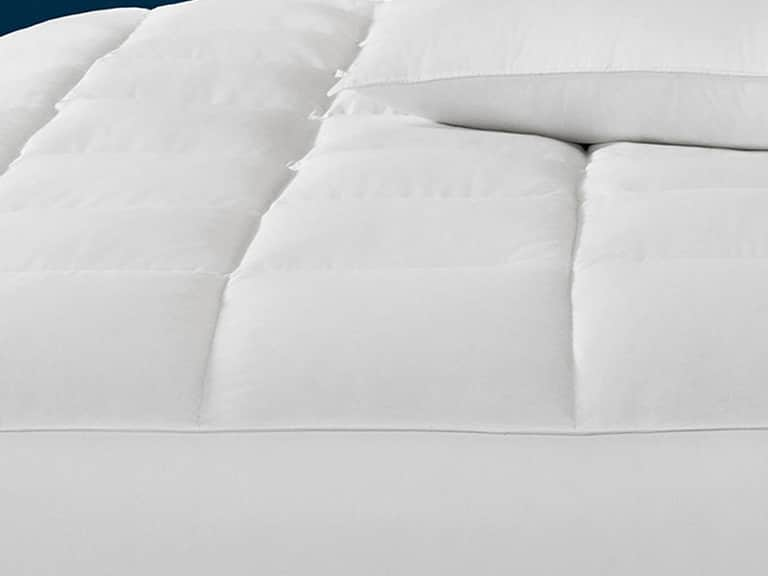
For example, the Breathable Mattress Protector is described as protecting against normal wear while preserving airflow, and its listed fit accommodates mattresses up to 18 inches deep. That makes it relevant to people prioritizing a breathable, washable barrier, but it is not described as waterproof. Anyone who needs liquid protection should verify that a product explicitly provides it rather than assuming that a breathable protector also blocks spills.
The mattress casing is not always washable
Some natural latex mattresses have a zippered casing around their foam layers. A zipper can make the construction seem easy to open, but it does not mean that the casing is machine washable—or that the latex layers should be removed. The maker’s instructions are decisive. In some designs, the cover is intended to be spot-cleaned only; in others, removal may affect warranty coverage or the arrangement of the mattress layers.
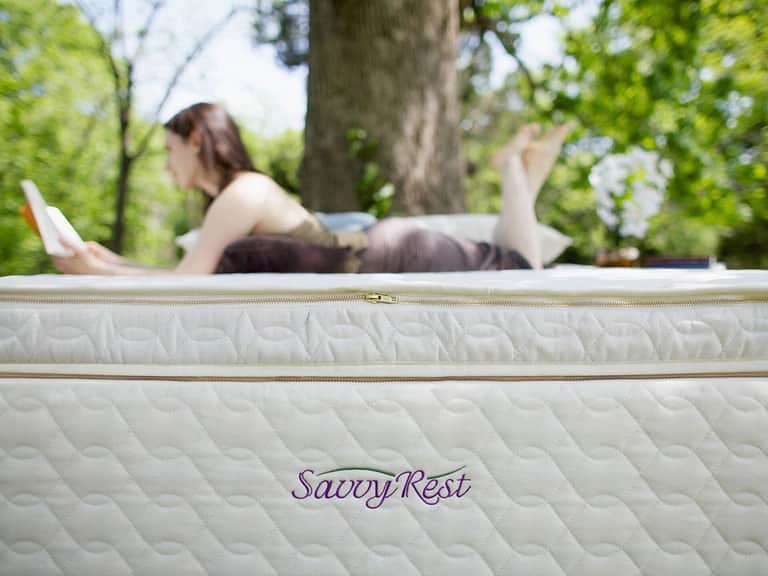
The Savvy Rest Unity Pillowtop Latex Mattress, for instance, is listed with a zippered outer casing made of certified organic cotton and care information indicating spot cleaning for the cover. This illustrates why construction details and cleaning directions should be checked together: a removable casing is not automatically a washable one. Follow the mattress maker’s guidance before unzipping, laundering, or rearranging any component.
A separate protector can reduce the need to clean the mattress casing itself. It is often easier to remove and wash a thin cover than to treat a stain on a mattress, especially where the maker advises against wet cleaning. That practical layer is one reason protection is worth considering even when a mattress has its own textile casing.
Care: small habits, longer service
Care instructions vary by fabric, fill, and waterproof backing. A protector that can be machine washed may still require a particular water temperature, gentle cycle, or low-heat drying. High heat, bleach, fabric softener, or vigorous agitation can damage some materials or reduce their performance. Use the product label as the authority; general advice cannot safely replace the instructions for a specific construction.
Before washing, close zippers and fasteners if the care label recommends it, and check for tears or loose seams. Wash the cover with compatible items and avoid overloading the machine, which can prevent a bulky protector from moving freely. If the cover has a waterproof membrane, take special care with drying guidance: excess heat may compromise some barrier materials. Dry it fully before putting it back on the bed to avoid trapping dampness beneath the sheets.
Routine inspection is as important as laundering. Look for thinning fabric, worn elastic, seam gaps, and areas where a waterproof backing may have separated or cracked. A cover that no longer fits securely or has visible damage may not offer the same protection it once did. Replace it when its condition or performance no longer meets your needs, rather than relying on the product name alone.
- Wash on the cycle and at the temperature specified on the label.
- Use only the recommended detergent; avoid additives the manufacturer says not to use.
- Dry according to instructions and make sure the cover is fully dry before reinstalling it.
- Do not machine-wash the mattress casing or latex layers unless the mattress maker explicitly permits it.
- Inspect the protector and mattress periodically for damage, stains, or lingering moisture.
For a small spot on a mattress casing, follow the maker’s cleaning directions and use as little moisture as possible when that is recommended. Do not soak latex or assume that sunlight, steam, or a household cleaning product is appropriate. Different constructions respond differently, and an aggressive cleaning attempt can leave moisture in places that are difficult to dry.
A measured choice for a long-lived sleep surface
Choosing latex mattress protection is ultimately an exercise in matching a layer to a real need. Decide first whether your priority is surface cleanliness, liquid resistance, added softness, or a combination. Then compare material construction, thickness, fit, and care requirements. A cover that fits well and can be maintained according to its label is more useful than one whose advertised features do not match your household’s daily routine.
For many sleepers, a low-profile breathable protector offers a practical starting point, especially when preserving the mattress’s original feel matters. Where spills are likely, a clearly identified waterproof protector may be the more sensible choice. In either case, check the actual dimensions, consider the depth of the complete mattress, and follow the manufacturer’s guidance for both the cover and the latex bed.
A mattress is not an isolated object but part of a small indoor environment: sheets, room temperature, moisture, dust, and daily habits all meet at its surface. The right cover does not transform that environment. It simply creates a considered boundary—one that protects where protection is needed while allowing the qualities of the mattress beneath it to remain part of the night.
Quick questions
Does every natural latex mattress need a waterproof cover?
No. The choice depends on your risk of spills and the type of protection you want. A breathable, non-waterproof protector may suit everyday wear, while a waterproof barrier is more appropriate when liquid exposure is a concern.
Will a mattress protector make latex feel warmer?
It can influence surface feel and heat comfort. The effect depends on thickness, fabric, backing, and the number of layers on the bed. A thin protector may be less noticeable than a padded one, but individual products differ.
Can I wash a zippered latex mattress cover?
Not necessarily. A zipper indicates that a cover can open; it does not establish that the fabric is machine washable. Check the mattress maker’s instructions and avoid removing or washing components unless permitted.
How do I know if a protector will fit?
Measure the mattress’s length, width, and full depth, including any integrated top layer. Compare those measurements with the protector’s dimensions and maximum pocket depth, then confirm how it secures around the mattress.